
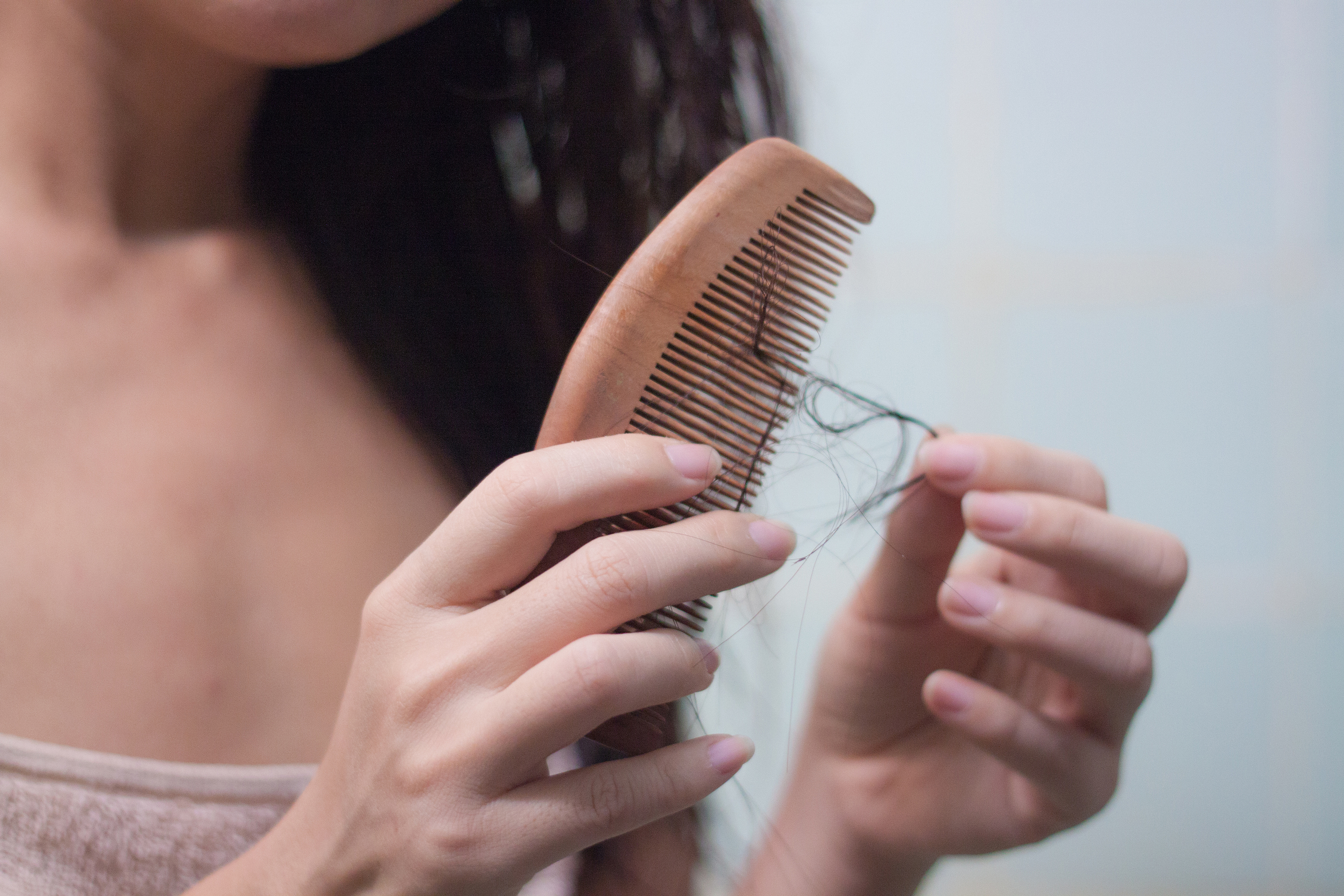
One of the most common complaints we hear from patients navigating hormonal shifts and losing weight using GLP-1 medications is a sudden, alarming increase in hair shedding. If you have noticed more hair in your shower drain or a widening part, you are not alone. As we often discuss during office visits, there is a direct biological link between your nutrition, your hormones, and your hair.
The Usual Culprit: Insufficient Protein and Nutrition
Your hair is made of a tough protein called keratin. When you enter menopause or utilize GLP-1 medications, your body’s nutritional needs change dramatically.
The GLP-1 and Weight Loss Connection
Because GLP-1 medications significantly reduce your appetite, your overall food intake drops. If you aren’t intentionally hitting high daily protein targets, your body enters a deficit. When protein and vital micronutrients are scarce, your body prioritizes your vital organs and completely shuts down nutrient delivery to your “non-essential” hair follicles.
The Menopause Connection
Falling estrogen levels naturally slow down your metabolism and change how your body processes nutrients. Without optimal protein intake and specific cellular support, hair strands grow back finer, weaker, and more prone to snapping. When you drastically reduce calories or shift hormones, your hair follicles are quite literally starved of the building blocks they need to grow.
Targeted Solution: Viviscal Professional
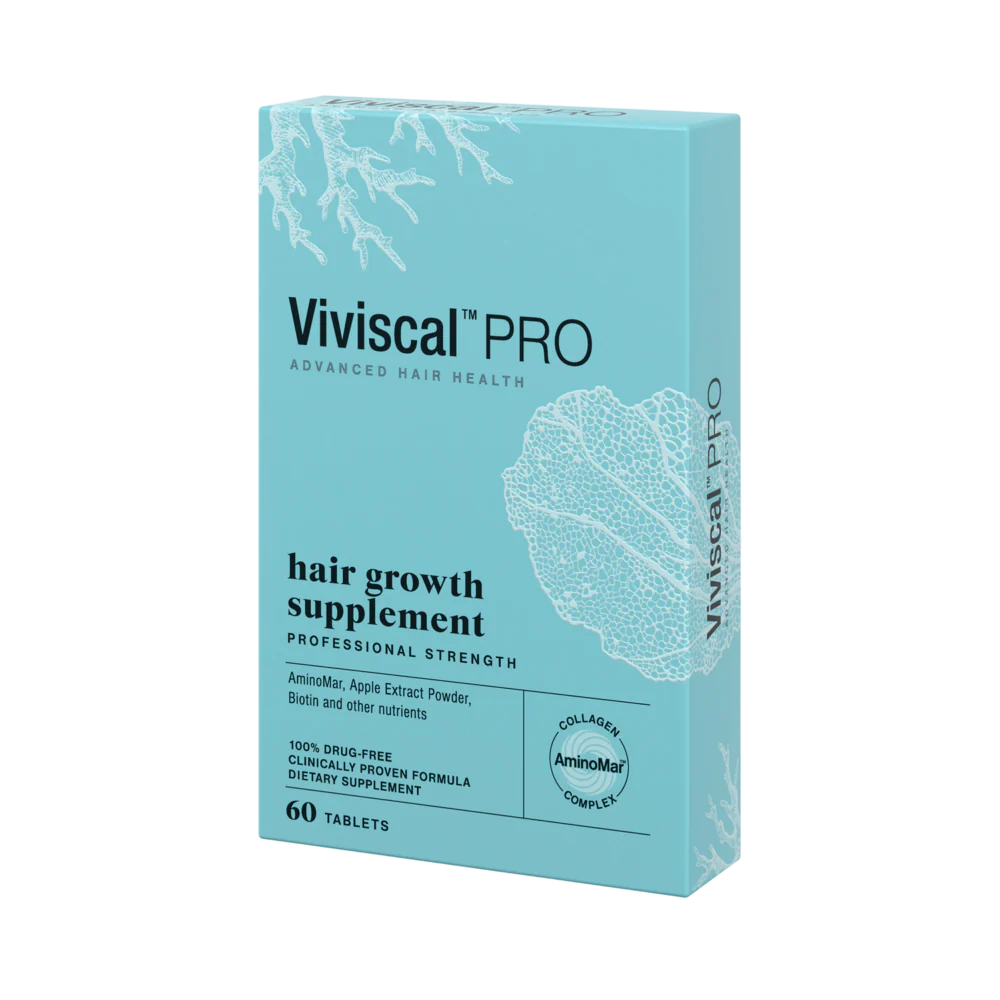
To reverse this shedding, you have to feed your hair from the inside out. Alongside increasing your daily dietary protein, we highly recommend Viviscal Professional Hair Thickening System, a 100% drug-free, clinically proven formula backed by 25 years of science. It utilizes a proprietary marine complex (AminoMar™) rich in specialized proteins, alongside essential vitamins, to directly replenish the nutritional gaps causing your hair loss. It jumpstarts starving follicles, stops active shedding, and promotes thick, vibrant regrowth. Most patients see a noticeable transformation in hair thickness and density within 90 days.
Did you know nutritional deficiencies and changing hormones don’t just affect the hair on your head?—they impact your pelvic floor, too.
Insufficient protein intake combined with rapid fat loss can cause a loss of muscle tone throughout the body. When you pair that with the natural drop in estrogen during menopause, the pelvic floor muscles weaken significantly. This often leads to sudden urinary incontinence— like leaking when you laugh, cough, or exercise.
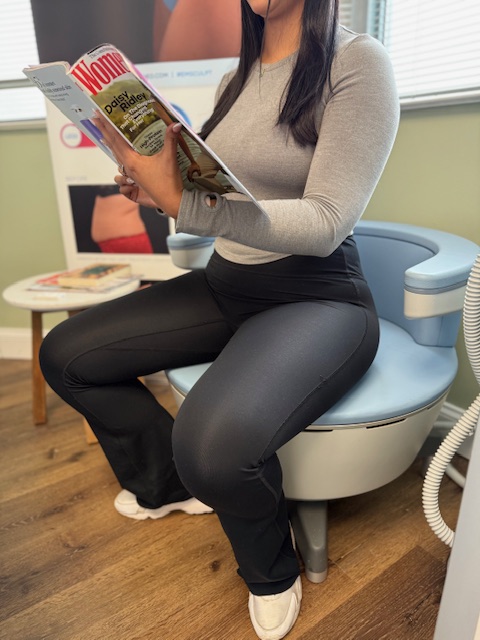
Check out our exclusive Emsella offer — available online only!
Ready to uncover the true underlying cause of your hair loss and/or incontinence?
Click here to schedule a consultation today so we can find out what is happening inside your body and build a targeted plan.